Iranian Society of Gynecology Oncology (IRSGO)
Document Type : Original Research Article
Authors
1 Agricultural Biotechnology Research Institute, University of Zabol, Zabol, Iran
2 Department of Internal Medicine, School of Medicine, Amir-al-Momenin Hospital, Zabol University of Medical Sciences, Zabol, Iran
3 Department of Pharmacology, School of Medicine, Zabol of University of Medical Sciences, Zabol, Iran
4 Department of Pathology, School of Medicine, Zabol University of Medical Sciences, Zabol, Iran
5 Islamic Azad University, Mashhad Branch, Mashhad, Iran
Highlights
✅ In this study, it was found that aqueous extract of Eucalyptus leaves has the ability to produce zinc nanoparticles oxide nanoparticles have been synthesized from zinc sulfate, and the synthetic nanoparticles have shown good antimicrobial properties against antibiotic-resistant Escherichia coli bacteria.
Keywords
Bacteriuria is of particular importance as an infectious disease of the administrative canal without clinical symptoms. Bacteriuria in pregnant women has increased due to physiological and anatomical changes in the urinary system and changes in the immune system during pregnancy, which leads to symptomatic infection in the urinary system, which causes serious risk to the mother and the fetus (1, 2). In addition to these changes, some other factors such as increasing age, sexual activity, social status and economy, number of pregnancies, history of UTI before pregnancy, sickle cell anemia, urinary tract manipulation and gestational age are effective in increasing the prevalence of asymptomatic bacterial infection (3).
Most experts consider symptomatic bacteriuria in pregnant women to be the result of asymptomatic bacteriuria (4). Bacteriuria is defined as the presence of bacteria with high proliferation in the urinary tract except for the end of the patient's urinary tract without symptoms, and a positive bacterial culture with a count of more than one hundred thousand bacteria per milliliter of urine will be the criterion for action (5). Escherichia coli, a gram-negative bacillus, is a genus of Enterobacteriaceae that causes many human infections such as: sepsis, gastroenteritis, neonatal meningitis, gallbladder and biliary tract infections, pneumonia, peritonitis, and especially urinary infections and kidney failure in children (6). Young women are one of the most important hosts of urinary infections, according to published statistics, 150 million people suffer from urinary infections every year. The prevalence of urinary infections in women is ten times that of men (7). Antibiotic resistance among bacteria is a global problem and in addition to treatment failure, it causes the spread of resistance among other bacteria and the emergence of more resistant strains (8). The members of the Enterobacteriaceae family include the most important human pathogenic bacteria, the members of this family are usually resistant to antibiotics and this resistance is caused by several intrinsic and acquired mechanisms. Due to the unpredictability of the results of bacteriological tests of river bacilli, it is necessary to conduct antimicrobial bactericidal tests for these bacteria (9). The development of some substances with antimicrobial properties has long been one of the goals of medical science. Based on their chemical composition, antimicrobial agents are divided into organic and inorganic antimicrobial agents. Many of the shortcomings of organic antimicrobial agents have led to the limitation of their use, which can be mentioned as their low resistance to heat, degradability, and as a result, their low half-life in relatively high heat and pressure (10). As a result, inorganic antimicrobial agents have received a lot of attention in companies manufacturing antimicrobial agents. Among the inorganic antimicrobial agents, the oxide of nanoparticles has been of great interest and has been used in various studies. Bacterial resistance to bacteriostatic and bactericidal agents has increased in recent years due to the spread of resistant strains. Many researchers have come to the conclusion in their studies that metal nano-oxides are very active, they show great bactericidal activity against Gram-positive and Gram-negative bacteria (10). With its special physical and chemical properties, zinc oxide is a multifunctional material that is used in various industries such as electronics, optoelectronics, lasers, as well as ceramic, textile, agriculture, cosmetic and pharmaceutical industries, and due to its low toxicity and biodegradability, it is a It is suitable material for biomedical research and pro-environmental systems. Zinc oxide is widely used in the production of different types of medicines due to its antimicrobial, disinfecting and drying properties (11).
Eucalyptus is a plant with the power to adapt to the conditions of its environment, but the most important limiting factor. Leaves and essential oils of Eucalyptus species, for the treatment of respiratory tract inflammation, and it is used for bronchitis or diphtheria. Leaves or essential oil of some species of eucalyptus are used for treatment of certain fevers such as fever caused by malaria and typhoid, and treatment of some skin inflammations such as burns and wounds. It is used, as well as the aqueous extract of different species of Eucalyptus to treat tuberculosis, bacterial dysentery, pain of joints, and similar items are used in western and eastern medicine the river (12).
Synthesis of ZnO-NPs by Co-precipitation Procedure:
The green synthesis of ZnO-NPs was carried out by the co-precipitation method (13).
X-ray diffraction spectroscopy:
Formed phases, crystallization percentage and average crystal size of zinc oxide nanoparticles produced by analysis XRD with a copper anode lamp with wavelength kα about A 1/5406 and at 35 kV and 35 mA in the Bragg angle range 10<2Θ<80 was done.
Vegetative Electron Microscopy:
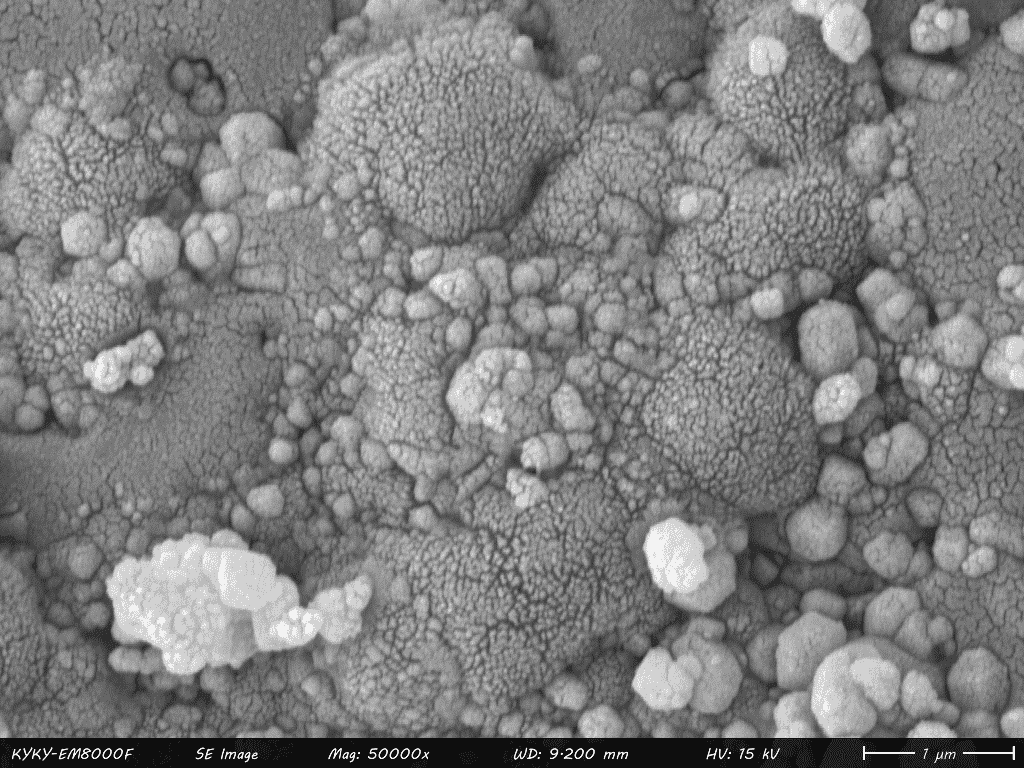
The shape and size of zinc oxide nanoparticles were investigated using SEM. So that 15 microliters of the solution of zinc nanoparticles was poured on special SEM grids and after drying, the antibacterial property was determined.
Fourier transform infrared spectroscopy:
In order to assess the functional groups and their applied sample in the synthesis of Zn O nanoparticles, FTIR analysis was performed by TENSOR27 spectrometer made by Bruker, Germany, which is explained in the following steps.
A: Sample preparation for analysis:
For this purpose, the treated extract was centrifuged at a speed of 10,000 rpm for 10 minutes, the supernatant was separated and the precipitated material was transferred to an incubator at a temperature of 60 degrees Celsius for 24 hours to dry. The completely powdered solid sample was mixed with powdered potassium bromide and pressurized, the potassium bromide was melted under pressure and the desired composition was formed as a matrix. The result is a KBr tablet placed in a holder in a spectrometer, the infrared spectrum of the compound was determined.
B: Determination of functional groups involved in the stability of synthesized nanoparticles:
Based on the infrared spectrum of the sample and on the basis of the correlation table that shows the vibration position of different bonds or the IR spectrum of the objects, the functional type was determined in the qualitative identification of organic compounds containing nanoparticles. The group and bonds in its molecules, the table below shows the relationship between the absorption areas and the groups of biological agents, which are used to interpret the results. For example, the band in the range of 3600-3650 indicates the presence of an O-H functional group associated with one of the zitiphenolic or alcoholic agents.
Isolation of Escherichia coli:
In the study of 50 pregnant women who referred to the outpatient clinic of Zabul hospital center after completing the questionnaire and examining the patients by obstetrician and gynecologist and ensuring that they were healthy, a sterile mid-stream urine sample was prepared and examined and diagnosed in terms of a complete urine test. Escherichia coli samples were separated from other colonies by diagnostic tests and
10 strain isolates of Escherichia coli were determined by the Kirby-Bauer method and their sensitivity to antibiotics was evaluated. Determining the sensitivity of the isolates by the standard agar disk diffusion method to antibiotics such as ceftazidim: 30 μg, tetracycline: 30 μg, erythromycin: 15 μg and ceftazidime: 30 μg. (antibody Iranian medicine) was done. After 24 hours in the greenhouse at 37 degrees, the diameter of the non-growth zone was measured for each antibiotic and the results for each antibiotic were recorded as sensitive, intermediate and resistant according to the relevant recipe, and the results were with the standard table. NCCLS was compared.
The method of checking antimicrobial effects:
Dilution methods:
Dilution methods are techniques that depend on the homogeneous distribution of the studied compounds in the liquid medium and are used to investigate the antimicrobial properties as well as to determine the MIC and MBC of the said compounds. Dilution methods include tube method and agar dilution.
The results of Fourier transform infrared spectrometer studies related to zinc nanoparticles:
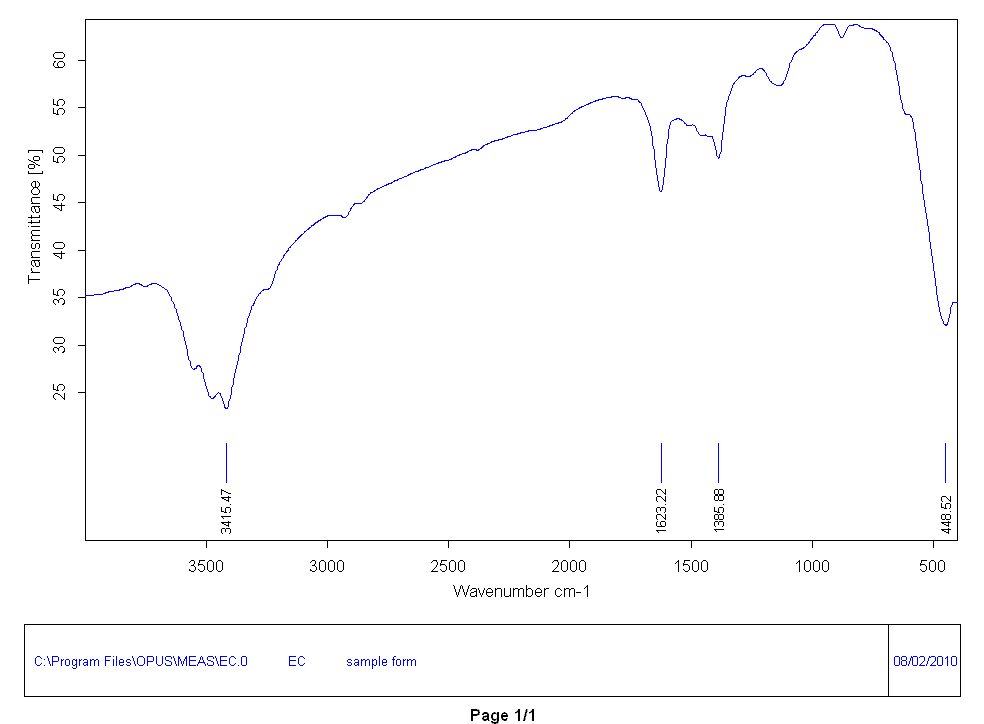
Fourier transform infrared spectroscopy was carried out for the extracts and seeps that are involved in the synthesis mechanism of zinc nanoparticles. The results of Fourier transform infrared spectroscopy are obtained from extracts. Fourier transform infrared spectroscopy does not show a clear and precise structure of the compounds in any way, but it reveals the presence of various functional groups in the sample. The vibration observed in the range of 3430-3466 cm is the stretching vibrations of the functional group O-H, which was present in all the studied samples, which indicates the symmetrical stretching of water molecules. The absorption number of the samples in the range of 2766-2926 is the vibration of O-H bond in carboxylic acid or absorbed water molecules and stretching vibrations of C-H bond in aldehyde. The absorption number of the samples was observed in the range of 2373-2340 cm, vibrations of absorbed CO2. Absorption number in the range of 1630 is related to the bending stress of water molecules. The absorption peak in the range of 1042-1072 is related to stretching vibrations of C-N bond in amines and stretching vibrations of C-O bond in alcohols. The absorption peak in the range of 400-600 is related to tensile vibrations related to ZN-O (Figure 1).
|
Figure 1. Ir image related to synthetic zinc nanoparticles in aqueous extract |
Figure 2. Microscope photo of synthesized zinc nanoparticles |
The results of X-ray diffraction analysis:
Based on the obtained X-ray diffraction patterns, the presence of natural zinc crystals in the studied samples was confirmed. For each sample, the peak at the jump angle of 38 degrees corresponds to the 111crystal plane, the 44degree peak corresponds to the 200 crystal plane, the 64 degree peak corresponds to the 220 crystal plane, and the 77 degree peak corresponds to the 311 crystal planes of these two metals. Additional peaks are related to other compounds that are present in the sample and have amorphous or crystalline structure. Based on the studies conducted and according to the crystal planes, it was found that zinc is crystallized in the cubic structure of the centers of the feather faces. (Figure 3).
Antibiotic Susceptibility:
The result show that moderate resistance was observed in only 25% and 8.3% of the isolates against erythromycin and cefixime, respectively (Table 1).
The results of this study showed that the lowest inhibitory concentration of synthesized nanoparticles was equal to 187.5 μg/ml, and one strain was inhibited at this concentration, while the highest inhibitory concentration against Escherichia coli strains was equal to 1500 µg/ml that 4 strains were inhibited at this concentration. The highest concentration of lethality was equal to 3000 µg/ml, and 4 strains were inhibited at this concentration (Table 2).
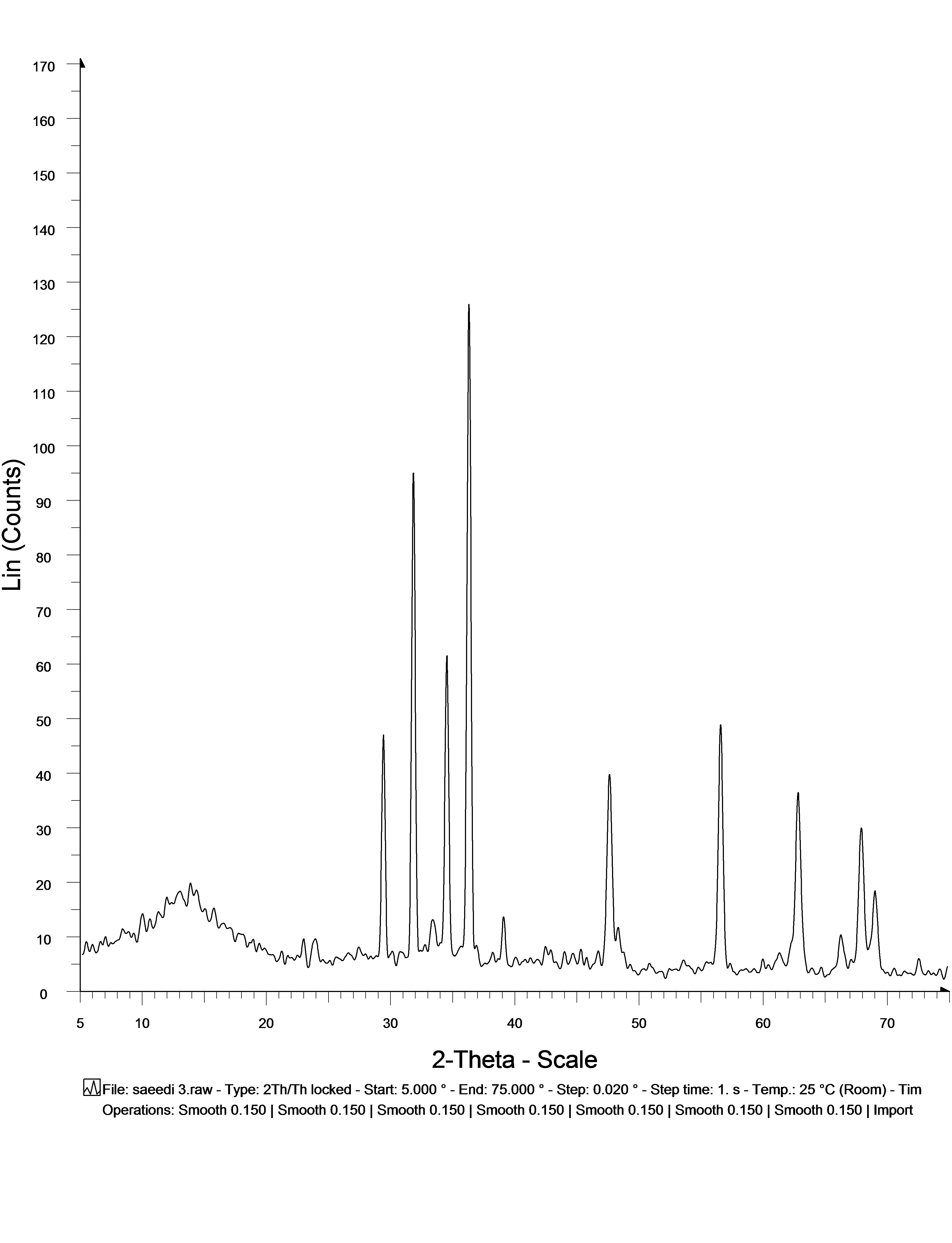
Figure 3. XRD results related to the synthesis of zinc nanoparticles
Table 1. Escherichia coli antibiogram pattern in culture samples
|
|
Ceftazidime |
Erythromycin |
Cefixime |
Tetracycline |
|
Sensitive |
50 |
16.6 |
50 |
25 |
|
Intermediate |
0 |
25 |
8.3 |
0 |
|
Resistant |
50 |
58.4 |
41.7 |
75 |
Table 2. The results of MIC and MBC zinc nanoparticles synthesized (μg/ml)
|
Strain |
MIC |
MBC |
|
1 |
1500 |
3000 |
|
2 |
750 |
1500 |
|
3 |
1500 |
3000 |
|
4 |
187/5 |
375 |
|
5 |
1500 |
3000 |
|
6 |
375 |
750 |
|
7 |
1500 |
3000 |
|
8 |
750 |
1500 |
|
9 |
375 |
750 |
|
10 |
375 |
750 |
Discussion
Green synthesis is simple, low-cost, non-toxic, environmentally friendly and efficient for exploitation (14, 15).
Kumar et al. synthesized zinc oxide nanoparticles in the size range of 12-72 nm using zinc sulfate and Citrus paradisi and reported surface plasmon resonance SPR absorption in the range of 360-376 nm for oxide nanoparticles (16).
Ahmad et al. synthesized zinc oxide nanoparticles using a chemical method and investigated the antimicrobial effect on Escherichia coli and Klebsiella pneumoniae strains. They reported the minimum growth inhibition concentration of 800 ml/µg, which was approximately 30 to 40 times higher than the results obtained in this study (17). In his study, Sawai investigated the effect of oxygen radicals produced by zinc oxide in creating its antimicrobial effect and found that the production of hydrogen peroxide led to the occurrence of antimicrobial effect, with the increase of its concentration, the concentration of hydrogen peroxide produced increases linearly (18). In some studies, perforation of the bacterial wall has been mentioned as a result of the penetration of metal oxide nanoparticles into the cell, and it is believed that it plays a role in exerting an antimicrobial effect (19). In other studies, this combination has an acceptable inhibitory and bactericidal effect on Streptococcus inii and Escherichia coli bacteria (20). In another study, oxide nanoparticles have an antibacterial effect against gram-positive and gram-negative bacteria, and can be used as a suitable option to eliminate these bacteria, especially bacteria that cause hospital infections (10).
Sultan et al., which investigated the antimicrobial activity of zinc nanoparticles on Escherichia coli, Klebsiella pneumoniae and Pseudomonas aeruginosa bacteria isolated from skin infections, the results showed that the minimum inhibitory concentration and the minimum lethal concentration were 1000 and 4000 μg/ml, respectively (21).
In another study that investigated the antimicrobial activity of zinc nanoparticles. The results showed that Enterobacter and Marinobacter species are more sensitive to zinc nanoparticles compared to Bacillus subtilis bacteria (22).
In the study of Obeizi, Benbouzid (23) who synthesized zinc nanoparticles in the essential oil of E. globulus and investigated the antimicrobial and anti-biofilm activity, the results showed that the size of the nanoparticles was 24 nm and the DLS analysis showed that the size of the nanoparticles was 40 nm and The maximum diameter of the inhibition zone in the dilution of 100 micrograms against Klebsiella pneumoniae bacteria was equal to 19.35±0.45 mm and synthetic nanoparticles inhibited the formation of Staphylococcus aureus and Pseudomonas aeruginosa biofilm by 85% and 97% (23).
In another study, they investigated the synthesis of zinc nanoparticles in the medicinal plant Ecalyptus mellidora. The results showed that the size of the nanoparticles was between 30-50 nm and the highest inhibitory concentration for Pseudomonas aeruginosa with a dilution of 19 mg/ml and the lowest inhibitory concentration for Bacillus Cereus was 0.62 mg/ml (24).
In Kameli et al.'s study, the prevalence of asymptomatic bacteriuria and its treatment in pregnant women referred to health centers in Torbat Heydarieh was investigated. The results show that 10% of pregnant women had asymptomatic bacteriuria. The organisms isolated from asymptomatic bacteriuria cases are, respectively: Staphylococcus epidermidis (49%) - Escherichia coli - Enterobacter - Klebsiella pneumoniae and Enterococcus faecalis. The most appropriate antibiotic Amikacin was recognized as a biotic in the treatment of asymptomatic bacteriuria during pregnancy, and a total of 95% of organisms were sensitive to it and 5% were resistant (24).
In Ahmad, Venugopal (25) study, which performed the synthesis of zinc nanoparticles in eucalyptus aqueous extract, the results showed that the average particle size was between 52 and 70 nm, and the dilution of 100 ppm nanoparticles synthesized Alternaria mali mushroom growth by 76.7% and Botryosphaeria dothidea and Diplodia serata fungi have been inhibited by 65.4% and 55.2% (25).
In another study that synthesized zinc nanoparticles in the extract of Eucalyptus lanceolatus (leaf litter), the results showed that the size of the nanoparticles was 100 nm and they inhibited the growth of bacteria at 400 and 200 ppm dilutions (26).
In the study of Barzinjy and Azeez (27) synthesized zinc nanoparticles in eucalyptus aqueous extract, the results showed that the size of the nanoparticles was between 27-35 nm (27).
In the study of Amjadi, Mansori (28) pregnancy outcomes and non-stress tests (NST) in insulin-treated diabetic women were compared with healthy pregnant women. The results of this study showed that the non-stress test is reactive in 75.6% and non-reactive in 24.4% of diabetic mothers (28).
Conclusion
Nano synthesis has great potential as antimicrobial compounds against microorganisms. Thus, it can be used in the treatment of infectious diseases caused by resistant microbes and also the synergistic effect from the association of antibiotics with saffron extract against resistant bacteria leads to new choices for the treatment of infectious diseases.
Funding Source
The author(s) received no financial support for the research, authorship, and/or publication of this article.
Acknowledgments
This work was supported by the zabol university of medical sciences.
Conflict of Interest
The authors declare that there is no conflict of interest in this study.

| Article View | 1,187 |
| PDF Download | 788 |