
Iranian Society of Gynecology Oncology (IRSGO)
Document Type : Original Research Article
Authors
1 Department of Obstetrics and Gynecology, JSS Medical College, JSS AHER, Mysuru, India
2 Department of Community Medicine, JSS Medical College, JSS AHER, Mysuru, India
Highlights
✅ Levothyroxine treatment for subclinical hypothyroidism in pregnancy is associated with decreased risk of overall maternal and neonatal complications in women who attain target TSH after treatment.
Keywords
Subclinical hypothyroidism (SCH) is defined as elevated serum TSH levels with normal fT4 (free thyroxine) or TT4 (total thyroxine) values (1). A meta-analysis estimated the prevalence of hypothyroidism in pregnant women in India to be 11.07%. Pooled prevalence estimates of subclinical and overt hypothyroidism were 9.52% and 2.74%, respectively (2). Subclinical hypothyroidism is variably associated with an increased risk of adverse pregnancy outcomes in most, but not all, studies. Partly because separate studies use differing cut-offs to define an elevated TSH concentration (1). Data examining the relation between subclinical hypothyroidism and obstetric outcomes are conflicting, with retrospective and prospective cohort study data both showing and refuting associations between subclinical hypothyroidism and adverse pregnancy outcomes including miscarriage, preterm delivery, hypertensive complications, and fetal death (3-8). All the guidelines recommend treatment of hypothyroidism in pregnancy, but there are differences in recommendations for treatment of subclinical hypothyroidism. American thyroid association (ATA) strongly recommends treating TPOAb-positive (Thyroid Peroxidase Antibody) women with a TSH greater than the pregnancy-specific reference range and TPOAb-negative women with a TSH greater than 10.0 mIU/L. ATA makes weak recommendation for treating TPOAb-positive women with TSH concentrations >2.5 mIU/L and TPOAb-negative women with TSH concentrations greater than the pregnancy specific reference range and below 10.0 mIU/L (1). European thyroid association guidelines recommend women with SCH and those with overt hypothyroidism desiring pregnancy should take levothyroxine (LT4) in a dose to ensure a TSH level of <2.5 mIU/L (9). National Guidelines for Screening of Hypothyroidism during Pregnancy, Government of India recommends treatment for all pregnant women with SCH with levothyroxine irrespective of TPO antibody status (10). In light of these varied recommendation, several studies have reported beneficial effects and others have found no beneficial effects or inconclusive results for levothyroxine treatment in subclinical hypothyroidism in pregnancy (11-15). This study was carried out in the south Indian population to study maternal and fetal outcomes in levothyroxine-treated subclinical hypothyroidism in women who attained target TSH levels and who did not attain target TSH at the time of delivery or termination of pregnancy.
This cross-sectional study was conducted in a tertiary care hospital in Mysuru Karnataka, India.
Study population
All antenatal women meeting the criteria for subclinical hypothyroidism admitted in the department of obstetrics and gynecology at a tertiary care hospital between December 2020 to December 2021 were included in the study. Subclinical hypothyroidism in pregnancy was defined as serum TSH >2.5 mIU/L in the 1st trimester or >3 mIU/L in the 2nd and 3rd trimesters, but <10 mIU/L with normal FT4 according to American thyroid Association (ATA) (16). The newer ATA recommendation of an upper reference range of TSH >4 mIU/L was also included to identify the study population (1). The study subjects were identified by reviewing case records. For subgroup analysis, the cohort of pregnant women with subclinical hypothyroidism were divided into Group A and Group B. Pregnant women with subclinical hypothyroidism who were treated with levothyroxine during the antenatal period, who attained the target TSH level were included in group A. Pregnant women meeting the criteria for diagnosis of subclinical hypothyroidism and received levothyroxine treatment during antenatal period but who did not attain the target TSH level were included in group B. Majority of the women in group B were pregnant women booked elsewhere and presenting to our hospital for delivery or pregnancy complications. In group a patients, most of the patients had their TSH levels checked within 4–6 weeks of initiating LT4 treatment. In Group B patients, TSH levels were either not repeated until delivery or checked at different intervals ranging from 8 to 12 weeks after starting Levothyroxine treatment. Women who did not give consent, multiple pregnancy, and pregnancy after ART, and pregnant women with other thyroid disorders like overt hypothyroidism, hyperthyroidism, Grave’s disease, and goiter, those on medications that affect thyroid function (amiodarone, methimazole, and propylthiouracil) were excluded from the study.
Primary objective was to study the maternal outcome (early pregnancy loss, preterm delivery, pre-eclampsia, gestational hypertension, gestational diabetes, premature rupture of membranes, preterm premature rupture of membrane, abruption placenta) and fetal outcome (low birth weight, large for gestational age, respiratory distress syndrome, IUGR, IUD, low Apgar score, admission to NICU, congenital malformations) among subclinical hypothyroid pregnant women. The secondary objective was to determine the association between maternal and fetal outcomes with attainment of target TSH levels among pregnant women with subclinical hypothyroidism treated by levothyroxine.
Informed written consent was obtained from the study participants. Institutional ethical committee approval was obtained. Data was collected manually by thorough reviewing of medical records on admission to our facility. Accuracy of data collection was assessed in random sample including 5 % of the cases and 99% agreement between reviewers for inclusion and exclusion criteria and for evaluating pregnancy outcome. In baseline characteristics such as age, parity was noted. Data was collected on pregnancy outcome, TSH levels at the time of diagnosis, TSH levels at termination of pregnancy or at delivery and at initiation of treatment with LT4 in group A and group B.
Identification of exposure
The cohort of pregnant women with subclinical hypothyroidism who received levothyroxine treatment in the antenatal period was identified on admission. Medical records and medication prescription were reviewed to confirm the treatment status.
Identification of adverse pregnancy outcome
Data on pregnancy outcome was collected during evaluation and management of the women on admission to our hospital. Maternal outcomes like early pregnancy loss, preterm delivery, gestational hypertension, pre-eclampsia, PROM, abruption placenta and fetal outcome -low birth weight, low APGAR score, admission to NICU were noted.
Statistical analysis
Number of 168 pregnant women with subclinical hypothyroidism (72 in Group A and 96 in Group B) were identified by convenient sampling method. The data was analyzed using MS Excel and SPSS software V 22.0. All the tests of significance were carried out at 5% level of significance. Descriptive statistics like mean, standard deviation were used and inferential statistics like Chi square test were used to find the association between TSH levels with maternal, fetal complications and other factors. p-value was considered significant when less than 0.05.
Results
On analysis, it was seen that the mean age of the mothers was 26.7±4.1yrs, with minimum of 19 yrs. and maximum of 40 yrs. The mean gestational age was 37.5±2.9 weeks. 54.8% of mothers were primigravida and while 75% of deliveries were LSCS, 23.8% were vaginal delivery and 1.2% had abortion. Among the participating mothers, 43.5% of the mothers during the antenatal period had one or the other complications/ co-morbidities (Oligohydramnios, Polyhydramnios, Pre-term delivery, Post-dated pregnancy, PROM/ PPROM, GDM/GGI, Placenta Previa, Abruptio Placenta, Pre-eclampsia, Anemia, Intrauterine Death, Abortion) (Fig 1). At the time of diagnosis, 66.7% of them had TSH levels between 2.5- 4 mIU/L, and subsequently 42.9% met the target TSH at third trimester. With respect to the neonates born, 25.3%, 64.5% and 10.2% had low birth weight (<2.5 Kg), normal birth weight (2.5-3.5 Kgs) and birth weight >3.5 Kgs respectively. 20.8% of the neonates born were admitted to NICU post-delivery and 39.2% of the off-springs had neonatal complications (MSAF, RDS/Fetal distress, Low Birth Weight, IUGR, Macrosomia, IUD, Fetal anomaly) (Table1, Fig 2)
On applying Chi-square analysis, while it was seen that Maternal outcomes (P<0.001), Neonatal outcomes (P=0.003), birth weight (P=0.02) and NICU admissions (P=0.04) were significantly statistically associated with the attainment of normal TSH levels at third trimester, Mode of delivery and APGAR score were not found to be associated (Table 2).
| Variable | Minimum | Maximum | Mean±SD |
| Age (in years) | 19 | 40 | 26.7±4.1 |
| BMI (in Kg/m2) | 18 | 33 | 22.7±3.1 |
| Variable | Proportion |
| BMI Category in kg/m2 Underweight (<18.5) Normal (18.5-22.9) Overweight (23-24.9) Pre obese (25-29.9) Obese (>30) |
4.2 60.1 14.3 16.1 5.4 |
| Gravida Primigravida Multigravida |
54.8 45.2 |
| TSH at diagnosis >4 m IU /ml >2.5 m IU/ml |
66.7 33.3 |
| Target TSH Met Not met |
42.9 57.1 |
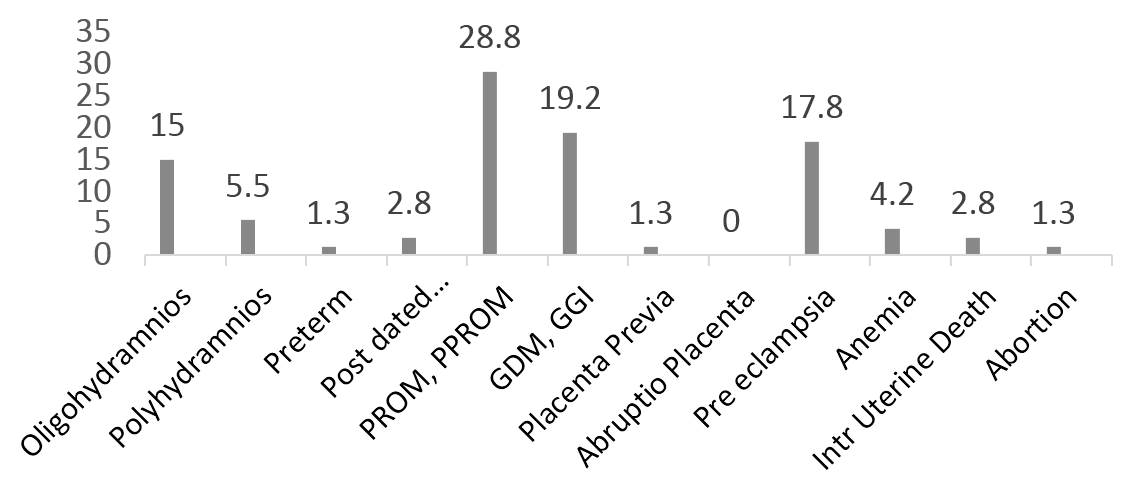
Figure 1. Proportion of Mothers with various Antenatal complications.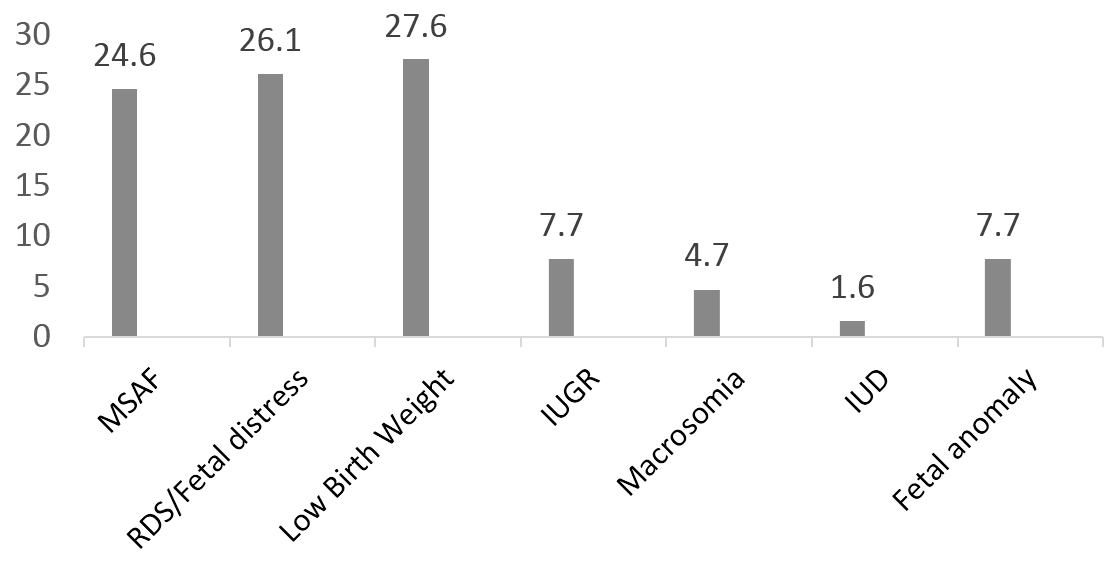
Figure 2. Proportion of newborns with various complications.
Table 2. Association of TSH levels at termination of pregnancy with maternal complications, fetal complications and other parameters
Note: Numbers in the parenthesis represent column wise percentages, * represents significant p value
Discussion
Several studies have shown adverse effects of subclinical hypothyroidism in pregnancy (17-19). Li, et al. (17) in their study found higher rates and risk of PIH, preeclampsia, cesarean section, preterm delivery, and total adverse maternal and neonatal outcomes with maternal SCH identified by 2011 ATA guidelines. They also found increased risk of PIH, preeclampsia, cesarean delivery, preterm delivery, placenta previa, and total adverse maternal and neonatal outcomes when 2017 ATA guidelines were used to identify maternal SCH (17). The role of LT4 supplementation in pregnant women with SCH remains controversial (20). In this study, pregnant women with subclinical hypothyroidism treated with LT4 were included. The subjects included in the study were treated according to ATA guidelines which recommended treatment at upper reference range of TSH >2.5 mIU/l in the first trimester and >3 mIU/l in the 2nd and 3rd trimester and also the newer ATA recommendation of upper reference range of TSH >4 mIU/l. As treatment data was collected retrospectively in the study population, they differed with respect to TSH cut off at which levothyroxine therapy was initiated. 66% of the pregnant women had a TSH >4 mIU/l at the initiation of levothyroxine therapy. Maternal complications like oligohydramnios, polyhydramnios, pre-term delivery, post-dated pregnancy, premature rupture of membranes /preterm premature rupture of membranes (PROM/ PPROM), gestational diabetes mellitus/gestational glucose intolerance (GDM/GGI), placenta previa, pre-eclampsia, anemia, intrauterine death, abortion were noted in 43.5% of the mothers. Maternal complications were more common in women who did not achieve the target TSH cut off at presentation for delivery, and were found to be statistically significant (p value<0.001). A Meta-analysis by Ding, et al. (20) showed that LT4 supplementation is associated with a decreased risk of pregnancy loss, preterm birth, and gestational hypertension in women with SCH based on the new 2017 ATA diagnostic criteria. Nazarpour, et al. (21) concluded in their study that LT4 decreases the risk of preterm delivery in women who are positive for TPOAb (thyroid peroxidase antibody). In yet another study by Nazarpur et al. (12) they reported no beneficial effect of LT4 therapy in reducing preterm delivery in SCH-TPOAb negative women with a TSH cut point of 2.5 to 4 mIU/L, but LT4 could precisely decrease this complication using the newly recommended TSH cut-off ≥4.0 mIU/L (12). These findings are consistent with our finding, though our control group were women who did not achieve target TSH level. We could not perform analysis of individual complication due to small sample size, which is the limitation in our study. A prospective cohort study by Ju, et al. (22) found the overall risk of pregnancy outcome was statistically decreased in the LT4 treated group compared to controls. Among individual complication, there was an increased risk of gestational diabetes and macrosomia. Zhao, et al. (23) in their randomized control trail reported no significant difference for individual complications between the treated and untreated group. But they found a significantly decreased risk for combined outcomes when treatment was started in the first trimester. In this study, LT4 was started at around 10 weeks of gestation. Prospective randomized placebo-controlled trail by Casey et al. showed no beneficial effects on pregnancy and neonatal outcome. In this study, LT4 treatment was started at average gestational age of 17 weeks (24).A study by Dash, et al. (25) showed no difference in miscarriage, gestational hypertension, IUGR, preterm birth, and low birth weight in women with SCH treated with LT4 as compared to the euthyroid group. This study included the Indian population and levothyroxine was started in the first trimester and the majority of them achieved normal TSH by 15 weeks (25). Varied outcomes are seen in these studies where LT4 was started at different gestational ages. In our study, treatment was started in the majority of the patients in the first trimester and overall maternal complications were statistically decreased with attainment of normal TSH at presentation for delivery or termination of pregnancy.
In the study conducted by Maraka, et al. (11), LT4 therapy was associated with a decreased risk of LBW and a low Apgar score among women with SCH. In this study they defined SCH as an elevated serum thyrotropin (TSH) of >2.5 mIU/L for the 1st trimester or >3 mIU/L for the 2nd and 3rd trimesters, but <10 mIU/L (11). Zhang, et al. (26) in their retrospective cohort study found no significant difference in the incidence of preterm delivery, low Apgar and low birth weight in LT4 treated and untreated groups. In our study attainment of normal TSH was not significantly associated low Apgar score but was significantly associated with other neonatal outcome and NICU admissions.
Limitations and strength of the study
The major limitation of our study is that it is a cross sectional study. The sample size was small for analysis of individual events. TPO antibody status was not included in the study as the data was missing for many subjects. The study included pregnant women treated based on both 2011 ATA and 2017 ATA guidelines. Strength of our study is that it included south Indian population as there are only few studies on subclinical hypothyroidism in pregnancy with levothyroxine treatment. Also, our study analyzed the effect of incomplete treatment rather than no treatment which is more commonly seen since the introduction of new guidelines for treatment of SCH. To our knowledge there are no studies looking at the effects of incomplete treatment of subclinical hypothyroidism in pregnancy.
Conclusion
Our study found significant decreased risk in overall maternal complications, fetal complications, low birth weight, NICU admission in levothyroxine treated pregnant women who attained target TSH at delivery compared to women who did not attain the target TSH. Well-designed prospective study with large sample size may be needed to analyze the effect of levothyroxine treatment on individual outcomes.
Acknowledgments
Authors have not received any financial or material aid.
Funding Source
None.
Conflicts of Interest
None.

| Article View | 1,580 |
| PDF Download | 1,131 |
